
Rarotonga for Families: Your Complete Overview

Imagine stepping off the plane into warm tropical air, hearing the sound of ukuleles in the distance and seeing swaying coconut palms instead of skyscrapers.
Welcome to Rarotonga, the largest and most visited island in the Cook Islands, where life moves at a slower pace and the turquoise lagoon quickly reminds you why you’ve come.
For many New Zealanders, Rarotonga is one of the easiest tropical getaways, with a direct flight taking only around four hours from Auckland.
There’s no need to exchange currency, English is widely spoken, and you’ll instantly feel at home while still experiencing a completely different culture.
It’s this combination of convenience and authentic Polynesian charm that keeps visitors returning year after year.
When we first visited Rarotonga, we expected beautiful beaches and sunshine.
What surprised us most was just how relaxed everything felt.
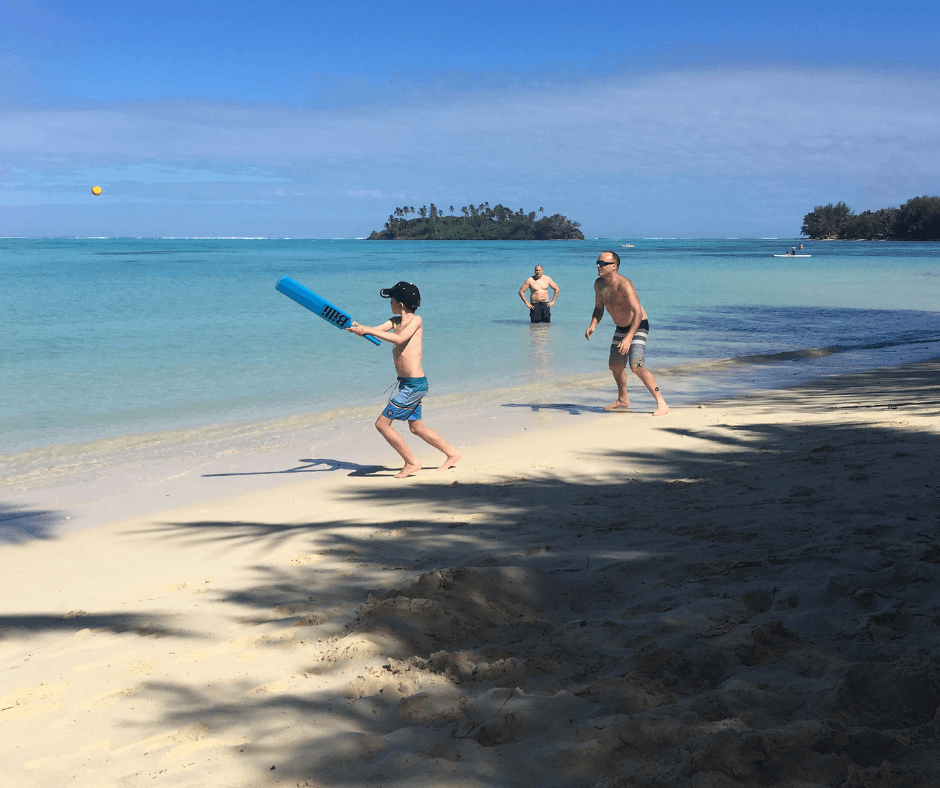
Everyone playing beach cricket on Muri Lagoon
There are no traffic lights, no high-rise hotels dominating the coastline and no pressure to rush from one attraction to another.
Instead, the island encourages you to slow down, enjoy the scenery and embrace “island time.”
Although Rarotonga is only 32 kilometres around, it packs an incredible amount into a small island.
One day you can be snorkelling with colourful tropical fish in crystal-clear lagoons, the next hiking through lush rainforest to panoramic viewpoints or enjoying fresh seafood overlooking the ocean.
Whether you’re travelling as a couple, with young children or planning a multi-generational family holiday, there’s something here for everyone.
This guide combines our own travel experiences with practical planning advice to help you make the most of your visit.
You’ll discover where to stay, the best beaches, when to visit, how to get around, where to eat, budgeting tips and plenty of insider advice we’ve learnt along the way.
If you’re planning your first trip to the Cook Islands, this guide has everything you need to confidently organise an unforgettable holiday.
Best Time to Visit Rarotonga
Rarotonga is a year-round destination, but the experience can vary depending on when you travel.
The island sits in the South Pacific, meaning it enjoys a warm tropical climate with only subtle seasonal differences rather than four distinct seasons.
May to October (Dry Season – Best Time to Visit)
This is widely considered the best time to visit Rarotonga.
During these months, you’ll experience:
- Lower humidity
- More consistent sunshine
- Comfortable daytime temperatures (around 24–28°C)
- Cooler evenings
- Ideal conditions for snorkelling, hiking and outdoor activities
The ocean is generally calmer and visibility for snorkelling is at its best, especially around the reef areas like Titikaveka and Muri Lagoon.
This period also aligns with the peak travel season for New Zealand and Australia, particularly school holidays in July and August.
While the weather is excellent, accommodation prices are higher and availability can be limited, so booking in advance is essential.
November to April (Wet Season – Fewer Crowds)
The wet season brings warmer temperatures and higher humidity, with daytime averages around 26–30°C.
You can expect:
- Short tropical rain showers (often followed by sunshine)
- Lush green landscapes
- Fewer tourists
- Better accommodation deals
While this is technically the cyclone season in the South Pacific, direct hits on Rarotonga are rare.
However, tropical systems can still bring unsettled weather, so flexibility is important when travelling during this time.
This period is ideal for travellers looking for a quieter, more affordable island experience.
Whale Season (July to October)
If you’re lucky, visiting between July and October may also give you the chance to see humpback whales migrating through the Cook Islands waters.
While sightings are not guaranteed, it adds an extra layer of magic to an already special time of year.
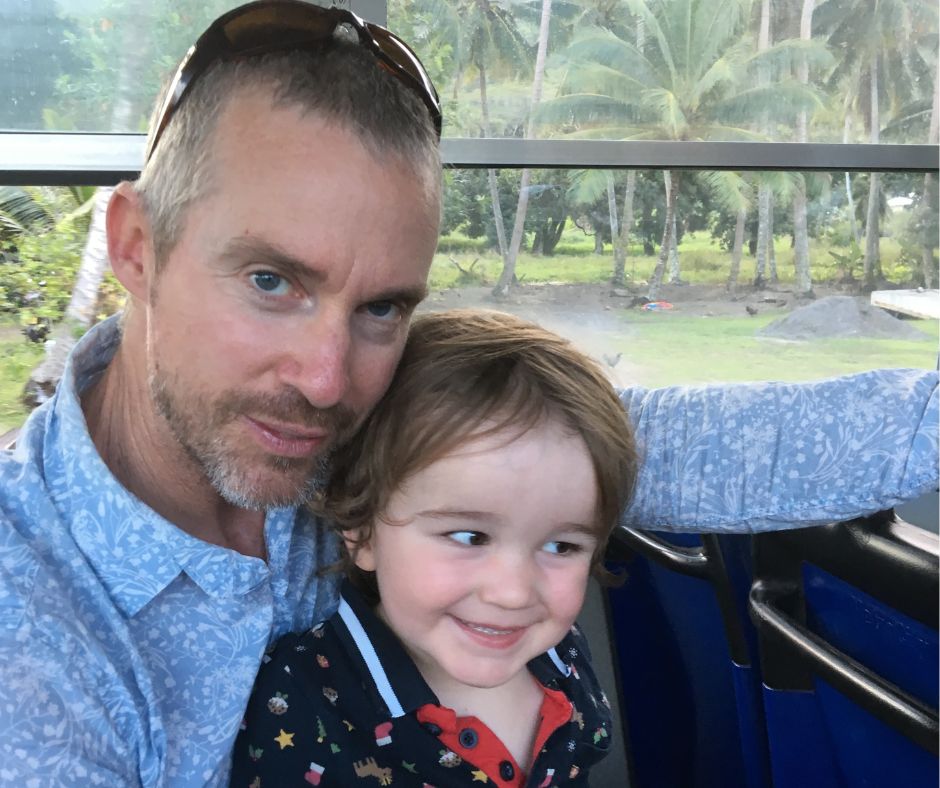
Dad and Sawyer riding the bus to dinners at Frader Jackds
Getting Around Rarotonga
One of the best things about Rarotonga is how easy it is to explore.
The entire island is only 32km in circumference, meaning nothing is ever far away.
Rental Car
Hiring a car is one of the most convenient ways to explore the island.
Pros:
- Air conditioning (a big plus in humid weather)
- Flexibility to explore at your own pace
- Easy access to all beaches and attractions
Cons:
- Limited availability during peak season
- Slightly higher cost compared to scooters or buses
Cars are ideal for families, groups or anyone wanting comfort and convenience.
Scooter Rental
Scooters are one of the most popular ways to get around Rarotonga and are often considered part of the island experience.
Pros:
- Fun and easy way to explore
- Affordable
- Easy parking everywhere
Cons:
- You may need a Cook Islands or international motorcycle licence
- Weather exposure (rain showers can appear quickly)
- Less suitable for families or long distances in heavy sun
Scooters are best suited for couples or solo travellers comfortable on two wheels.
Island Bus
Rarotonga has a simple and reliable bus system that circles the island in both clockwise and anti-clockwise directions.
- Runs approximately hourly
- Very affordable
- Stops along the main coastal road
It’s not the fastest option, but it’s a great way to experience local life and travel without stress.
Cycling & Walking
Cycling is a great option around flatter areas like Muri Beach, where distances are short and scenic.
Walking is also enjoyable in the early morning or late afternoon, but midday heat can be strong, especially on exposed stretches of road.
Taxis & Transfers
Taxis are available but not as commonly used as other transport options.
Many visitors rely on pre-arranged airport transfers through their accommodation.
Travel Tips for Getting Around
- Drive on the left-hand side of the road (same as New Zealand)
- Roads can be narrow and occasionally uneven
- Watch for dogs, scooters and pedestrians on the coastal road
- Fuel stations are limited, so plan ahead if driving long distances
- Allow extra time during rain, as visibility can reduce quickly
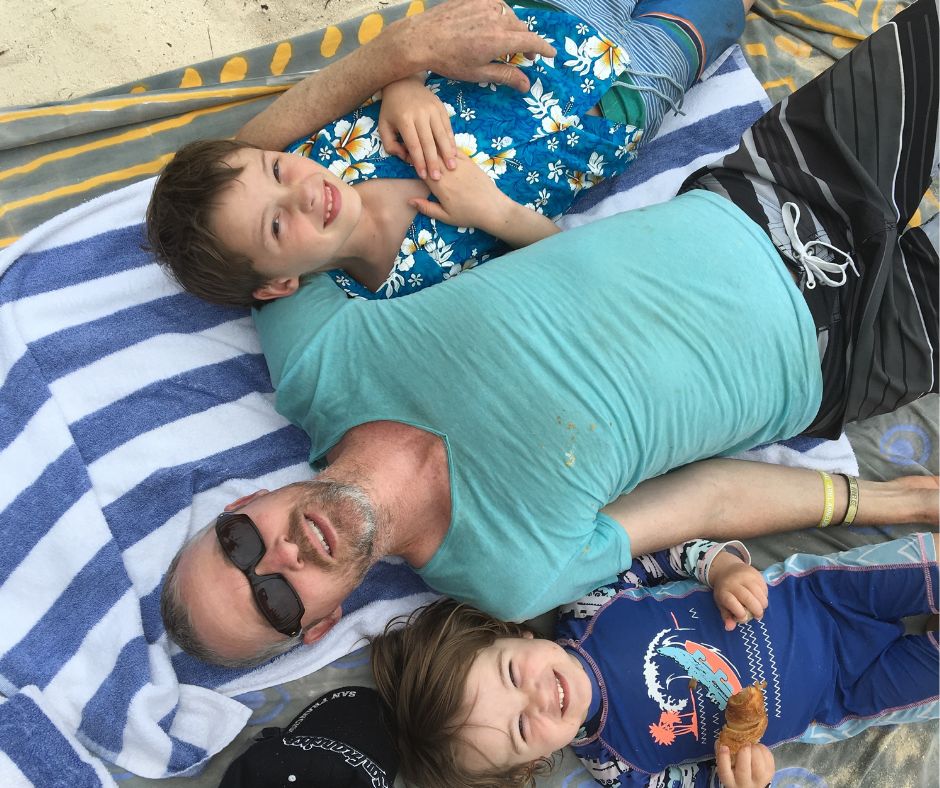
The boys relaxing on Muri, I could get use to this every day
Where to Stay in Rarotonga
Choosing where to stay in Rarotonga can shape your entire experience.
While the island is small enough to drive around in under an hour, each area has a slightly different feel, from lively lagoon hubs to quiet, secluded beaches.
Most accommodation options range from boutique resorts and beachfront villas to family-run guesthouses and self-contained holiday homes.
There are no large international hotel chains, which helps keep the island’s relaxed and authentic atmosphere intact.
Below is a breakdown of the main areas to help you choose the right base for your trip.
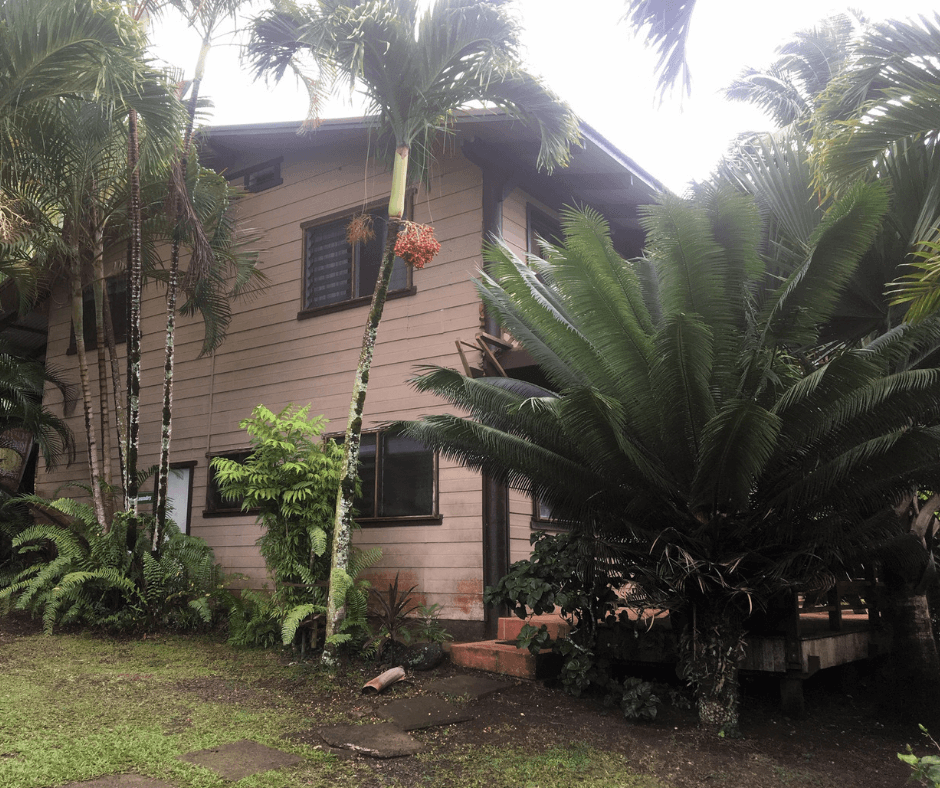
Muri Hillside Guesthouse accommodation, perfect place to stay
Muri Beach (Best for First-Time Visitors)
Muri Beach is the most popular area to stay in Rarotonga, especially for first-time visitors.
It’s located on the south-east coast and is home to the island’s most famous lagoon.
Why stay in Muri?
- Calm, shallow lagoon ideal for swimming and kayaking
- Best range of restaurants and cafés
- Easy access to lagoon cruises and water activities
- Great mix of accommodation options
- Lively but still relaxed atmosphere
Who it suits
Muri is ideal for couples, families and travellers who want everything within easy reach.
If you don’t want to hire a car and prefer walking to cafés, this is the best base.
Things to consider
- It’s the busiest part of the island
- Accommodation prices are generally higher
- Can feel more tourist-focused than other areas
Example experiences in Muri
- Snorkelling in crystal-clear lagoon water
- Kayaking out to the small motu (islets)
- Watching sunrise over the lagoon
- Dining at beachfront restaurants in the evening
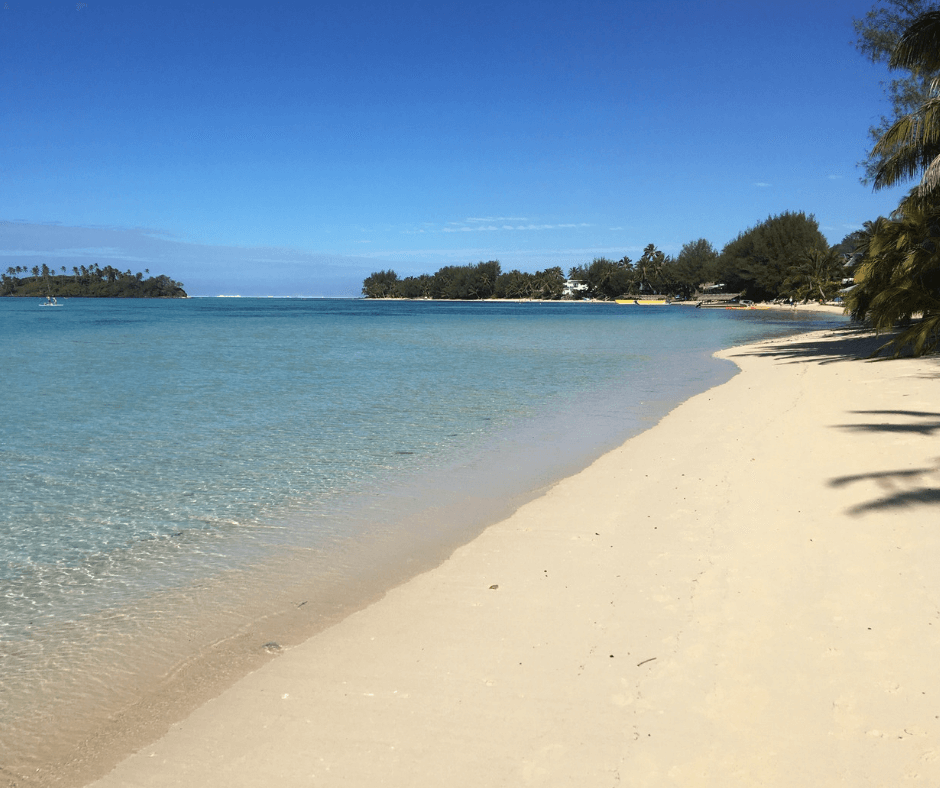
Beautiful view of Muri lagoon, beach and water
Avarua (Best for Culture, Markets & Convenience)
Avarua is the capital of the Cook Islands and the island’s main town.
It’s less about beaches and more about local life, shopping and culture.
Why stay in Avarua?
- Close to Punanga Nui Market
- Local shops, supermarkets and cafés
- Cultural experiences and churches
- Close to the airport
Who it suits
Avarua is ideal for travellers who want to experience local life, budget travellers or those stopping over for a short stay.
Things to consider
- No swimming lagoon directly in town
- Less “resort-style” accommodation
- Quieter in the evenings
South Coast (Best for Quiet Beaches & Snorkelling)
The South Coast is one of the most underrated parts of Rarotonga.
It’s quieter, more relaxed and home to some of the island’s best snorkelling spots.
Why stay on the South Coast?
- Excellent snorkelling straight from the beach
- Fewer tourists
- Beautiful, peaceful coastline
- Great value accommodation options
Who it suits
Perfect for couples, repeat visitors or travellers wanting a slower, more secluded experience.
Things to consider
- Fewer restaurants within walking distance
- You may want a rental car or scooter
- Quieter nightlife (which is often a plus)
West Coast (Best for Sunsets & Couples)
The West Coast is known for its incredible sunsets and slightly more exclusive feel.
This is where you’ll find some of the island’s boutique resorts and romantic hideaways.
Why stay on the West Coast?
- Best sunset views on the island
- Boutique beachfront resorts
- Quieter, more private atmosphere
- Great for couples and honeymooners
Who it suits
Couples, honeymooners and travellers wanting a peaceful, scenic escape.
Things to consider
- Fewer swimming lagoons compared to Muri
- Less activity and dining options nearby
- Better suited to relaxation than adventure
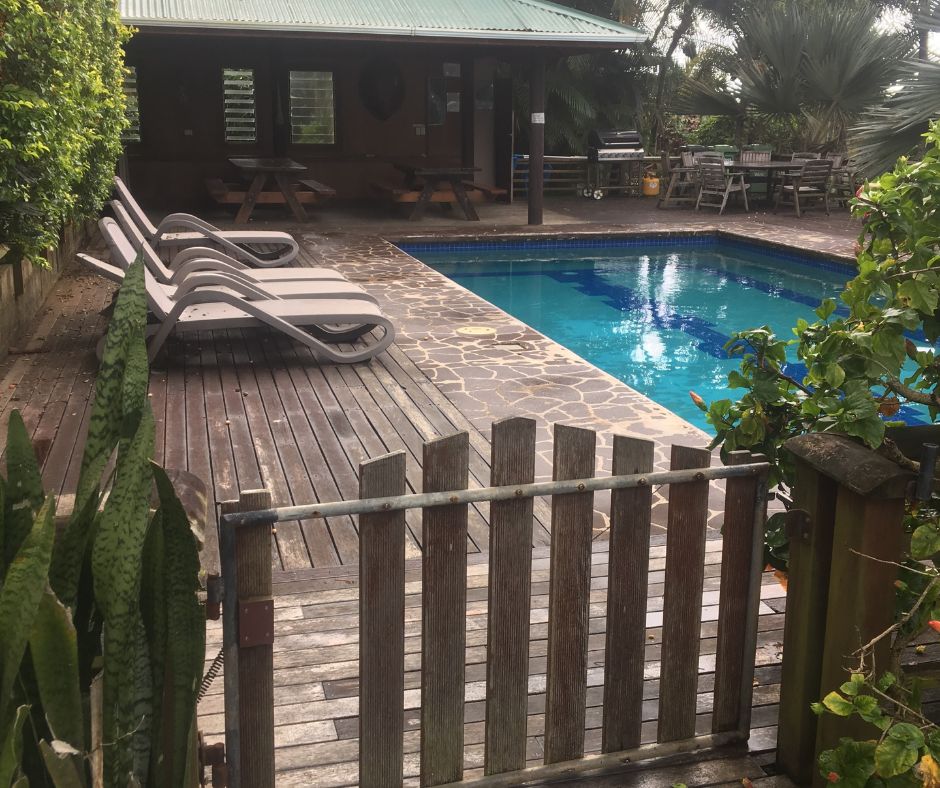
Muri Hillside Pool, perfect for families
Best Beaches in Rarotonga
One of the biggest highlights of visiting Rarotonga is the beaches.
Unlike many destinations where you need to travel to find good sand and swimming spots, Rarotonga’s coastline is full of accessible, postcard-worthy beaches.
The island is surrounded by a protective coral reef, creating a calm lagoon that is perfect for swimming, snorkelling and paddle-boarding.
Below are the best beaches to include in your itinerary.
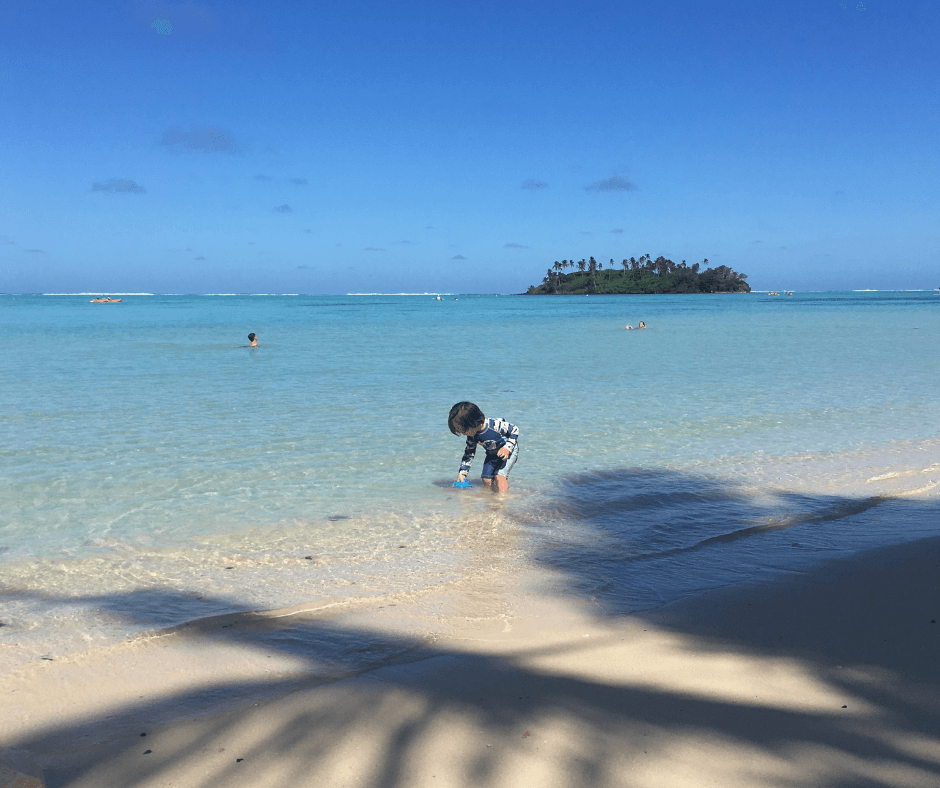
Sawyer exploring Muri Lagoon
Muri Beach (Best Overall Beach Experience)
Muri Beach is the most famous beach in Rarotonga, and for good reason.
What makes it special:
- Calm turquoise lagoon
- Small offshore motu (islets)
- Excellent kayaking and paddleboarding
- Wide stretch of soft sand
- Plenty of cafés and restaurants nearby
This is the beach you’ll likely spend the most time at if you stay in Muri.
It’s also one of the best spots for sunrise.
Titikaveka Beach (Best for Snorkelling)
Titikaveka is often considered one of the best snorkelling beaches on the island.
Highlights:
- Exceptional coral gardens
- Clear, calm water
- Less crowded than Muri
- Great for spotting tropical fish
You don’t need a boat tour here, just walk in from the beach and start exploring.
Aroa Beach (Best for Swimming & Sunsets)
Aroa Beach is located on the west side of the island and is known for its calm waters and relaxed vibe.
Highlights:
- Protected marine reserve
- Great for beginner snorkellers
- Beautiful sunset views
- Family-friendly swimming
It’s one of the safest swimming beaches on the island.
Black Rock Beach (Best for Sunset Views & Cliff Jumping)
Black Rock is one of the island’s most scenic and iconic spots.
Highlights:
- Dramatic volcanic rock formation
- Popular sunset viewing spot
- Occasional cliff jumping (conditions permitting)
- Strong cultural significance
It’s also one of the best places to watch the sun dip into the Pacific Ocean.
Tikioki Beach (Best Hidden Gem Snorkelling Spot)
Tikioki Beach is part of the marine reserve and is often less crowded than other beaches.
Highlights:
- Excellent snorkelling conditions
- Rich coral and marine life
- Peaceful atmosphere
- Great visibility on calm days
If you want a quieter snorkelling experience, this is a great choice.
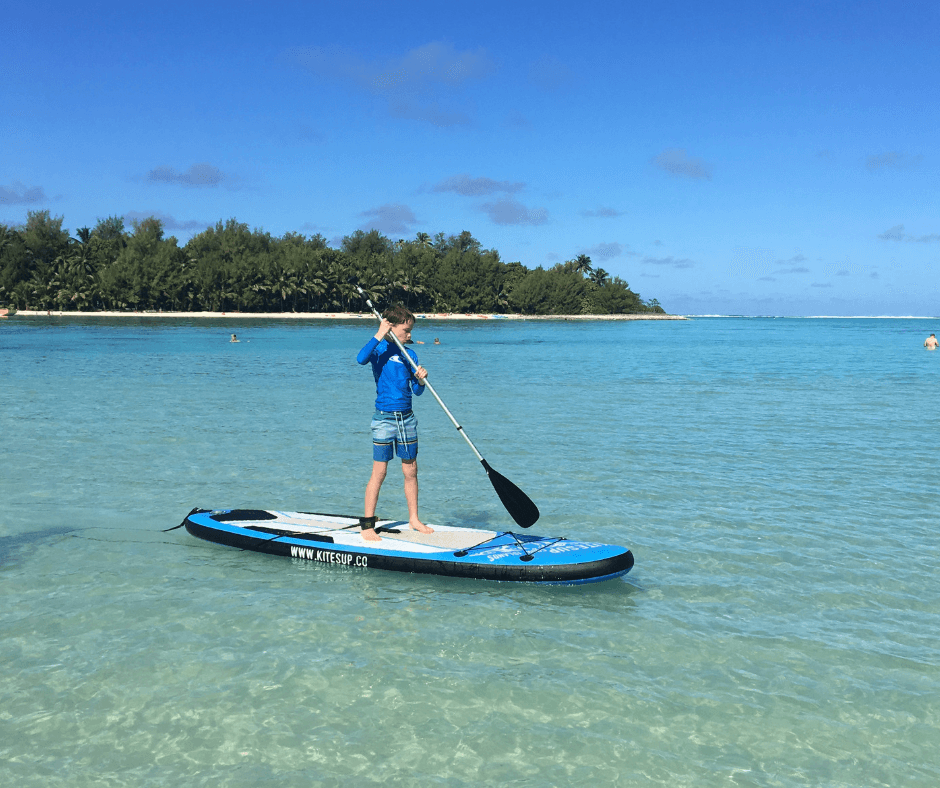
Lukas paddleboarding for his first time on Muri lagoon
Best Things to Do in Rarotonga
Rarotonga isn’t a destination where you tick off endless attractions.
Instead, the island invites you to slow down and experience a mix of water, culture and nature in a very relaxed way.
Most activities revolve around the lagoon, the inland mountains, and small village life.
The real joy is not rushing between attractions, but spending time in each place and letting the island pace take over.
Below are the experiences that genuinely define a trip to Rarotonga.
Explore Muri Lagoon (The Heart of Rarotonga)
If there’s one place that captures the essence of Rarotonga, it’s Muri Lagoon.
With its crystal-clear turquoise water, white sandy beaches and small offshore motu (islets), it’s easy to see why this is one of the island’s most photographed locations.
Protected by a coral reef, the lagoon is calm and shallow, making it ideal for swimming, kayaking, paddleboarding and snorkelling.
One of the best things about Muri Lagoon is how accessible it is.
You don’t need to book a tour or hire a boat to enjoy it, simply walk into the warm water from the beach and you’ll soon be surrounded by colourful tropical fish.
The lagoon is perfect for both first-time snorkellers and experienced ocean lovers.
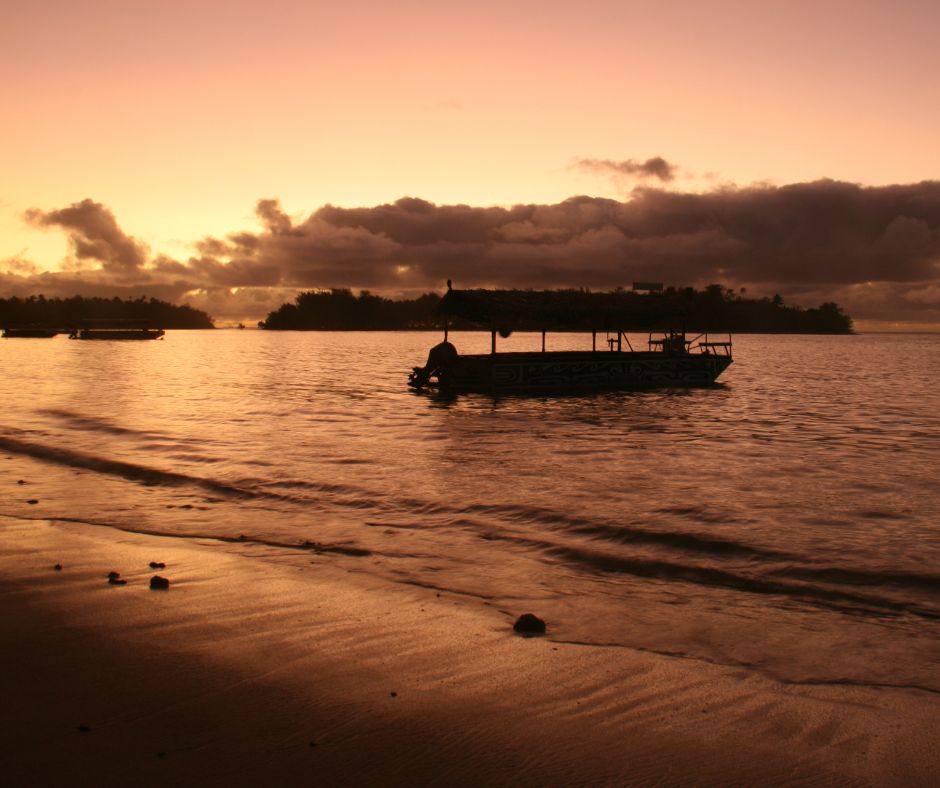
Sunset on Muri
Hike the Cross-Island Track to The Needle (Te Rua Manga)
For a completely different perspective of Rarotonga, swap the beach for the island’s lush interior and tackle the Cross-Island Track.
This rewarding hike winds through dense tropical rainforest before climbing to one of Rarotonga’s most recognisable landmarks,
The Needle (Te Rua Manga), a dramatic volcanic rock formation rising above the jungle.
The walk is moderately challenging, with steep sections, exposed tree roots and muddy patches after rain, so a reasonable level of fitness and suitable footwear are recommended.
Along the way you’ll be surrounded by native plants, tropical birds and the sounds of the rainforest, offering a peaceful escape from the coastline.
The highlight is reaching the viewpoint, where panoramic views stretch across the island, the surrounding lagoon and the Pacific Ocean beyond.
Visit Punanga Nui Market
Held every Saturday morning in Avarua, the Punanga Nui Market is one of the best places to experience the vibrant culture of the Cook Islands.
More than just a market, it’s a community gathering where locals and visitors come together to shop, eat and enjoy live entertainment.
You’ll find stalls selling everything from tropical fruit and freshly baked treats to handmade jewellery, clothing and locally crafted souvenirs.
It’s also one of the best places to sample Cook Islands cuisine, with plenty of food stalls serving fresh seafood, ika mata, smoothies and island-style breakfasts.
The atmosphere is relaxed and welcoming, with live music and traditional dance performances adding to the experience.
Arrive early for the best selection of produce and to enjoy the market while it’s at its liveliest.

Punanga Nui Market
Experience an Island Night Show
An Island Night Show is one of the best ways to experience the rich culture and traditions of the Cook Islands.
Combining local cuisine, music and storytelling, these evenings provide an entertaining introduction to Polynesian heritage and are popular with both first-time and returning visitors.
The night usually begins with a buffet featuring traditional Cook Islands dishes before the entertainment starts.
Talented performers bring the stories of the islands to life through energetic drumming, graceful dancing and colourful costumes, with performances reflecting generations of cultural tradition.
Set beneath the stars in a tropical setting, the atmosphere is warm, welcoming and immersive.
It’s much more than a dinner show, it’s an opportunity to gain a deeper appreciation of Cook Islands culture while enjoying a memorable evening with family or friends.
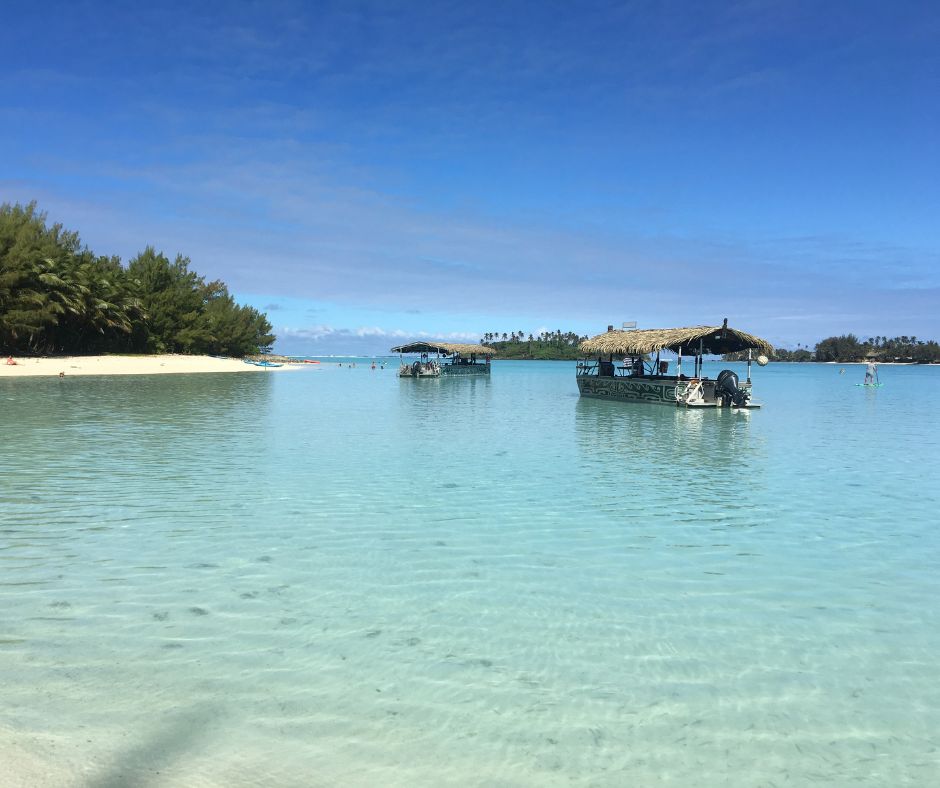
Koka Lagoon cruise boats
Take a Koka Lagoon Cruise
A Koka Lagoon Cruise is one of the most popular activities in Rarotonga and an excellent way to experience the beauty of Muri Lagoon from the water.
Combining snorkelling, cultural entertainment and a delicious island-style lunch, it’s a relaxed day out that appeals to visitors of all ages.
The cruise takes you across the stunning turquoise lagoon to one of the small motu, with plenty of opportunities to snorkel among colourful tropical fish and vibrant coral gardens along the way.
The friendly crew keep everyone entertained with traditional music, local stories and demonstrations that offer a glimpse into Cook Islands culture.
Most cruises include a freshly prepared BBQ lunch served on the motu, allowing you to enjoy great food in a spectacular setting.
If you’re looking for one organised tour to include in your itinerary, a Koka Lagoon Cruise is hard to beat.
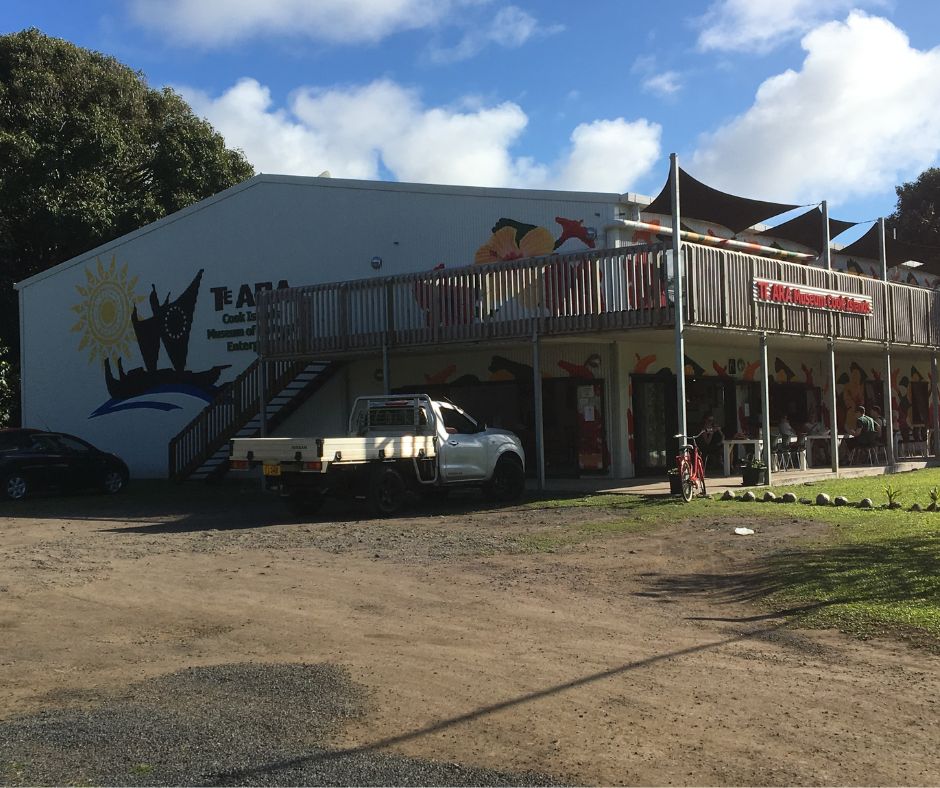
Front of the Te Ara Museum
Discover Local Art at Te Ara, Cook Islands Museum of Cultural Enterprise
If you’d like to explore more than just Rarotonga’s beaches, make time to visit Te Ara, Cook Islands Museum of Cultural Enterprise.
This modern cultural centre offers fascinating insights into the history, traditions and creativity that have shaped the Cook Islands over many generations.
Interactive exhibits showcase traditional navigation, carving, weaving and storytelling, helping visitors understand the deep cultural connections between the people and the ocean.
Contemporary displays and artwork also highlight how these traditions continue to influence modern Cook Islands life.
Whether you’re interested in history, art or simply learning more about the islands you’re visiting, Te Ara is a worthwhile stop.
It’s also a great option if you’re looking for something different to do on a rainy day.

Quick photo of the family in the car, best way to get around the island
Drive Around the Island
One of the simplest yet most enjoyable experiences in Rarotonga is hiring a car or scooter and driving the island’s scenic coastal road.
At just 32 kilometres long, you can complete the full circuit in under an hour but chances are you’ll spend much longer as you stop to explore along the way.
The route passes beautiful beaches, quiet villages, roadside fruit stalls, cafés, churches and spectacular ocean viewpoints, giving you the freedom to discover the island at your own pace.
There’s no set itinerary, which is part of the appeal.
Whether you’re pulling over for a swim, enjoying a coffee by the beach or simply taking in the scenery, driving around Rarotonga offers a wonderful sense of freedom.
It’s one of the best ways to experience the island beyond the main tourist attractions and often becomes a highlight of the trip itself.
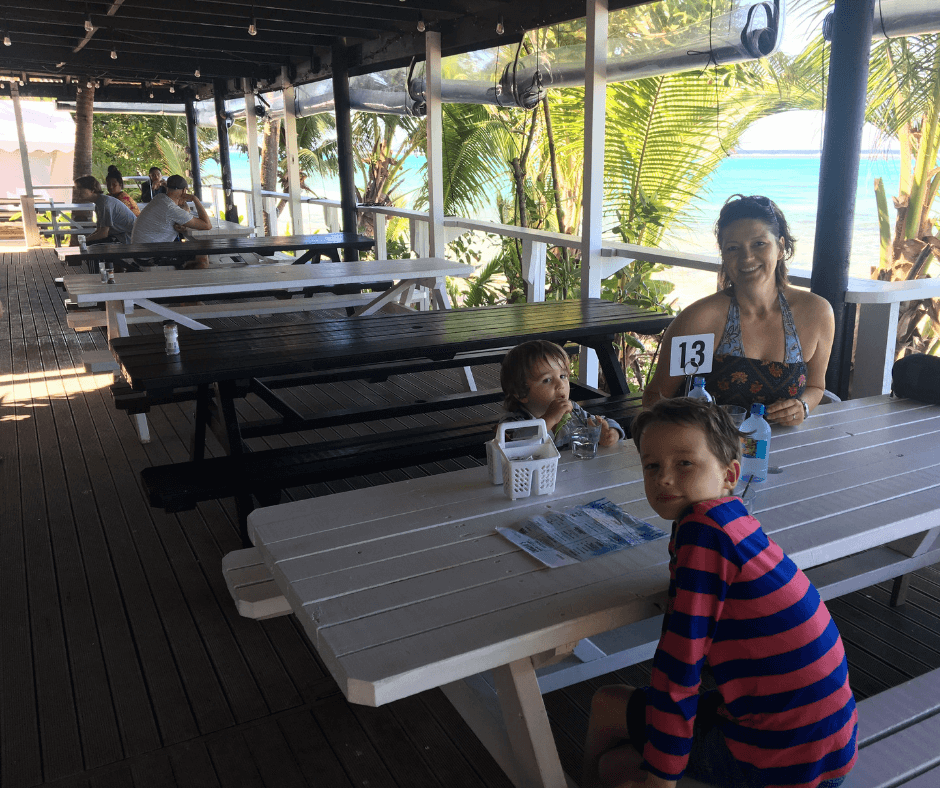
The family relaxing and unwinding at Charlie’s restaurant
What Eating Feels Like in Rarotonga
Dining here is rarely rushed. Meals are often enjoyed outdoors, close to the beach or lagoon, with a strong emphasis on fresh ingredients rather than complex preparation.
There’s a noticeable shift in pace compared to urban dining, meals feel like part of the holiday experience rather than a scheduled activity.
Local Dishes Worth Trying
Ika Mata is the standout dish and often the first thing visitors remember.
It’s fresh raw fish marinated in coconut cream, lime and vegetables, light, refreshing and full of flavour.
Fresh tuna is another highlight, often served grilled or lightly seared.
Given the island location, seafood is consistently high quality.
Tropical fruit is also a major part of daily eating. Mango, pawpaw, banana and coconut are widely available, often picked locally.
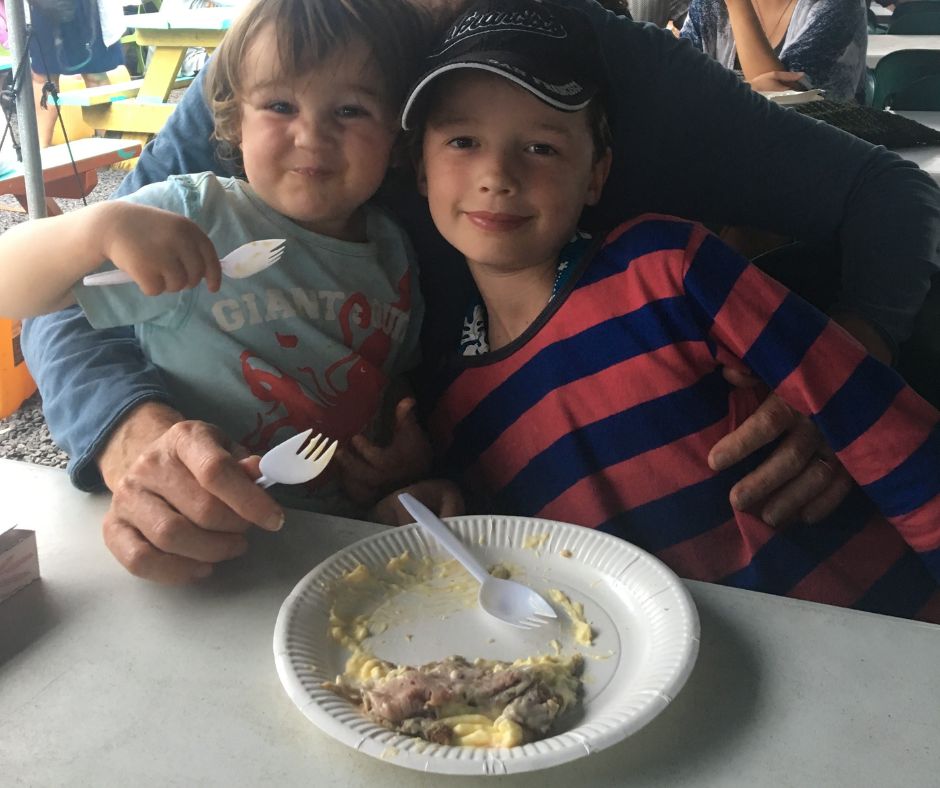
Can’t beat the Island Crepes (Strawberry and custard)… The boys loved IT!!
Markets and Everyday Eating
One of the best ways to experience Rarotonga’s food scene is by visiting its local markets.
The Punanga Nui Market, held every Saturday morning in Avarua, is the island’s main market and a fantastic place to sample fresh tropical fruit, homemade baking, smoothies and traditional Cook Islands dishes.
It’s also one of the best-value places to enjoy breakfast or lunch while soaking up the lively atmosphere.
For dinner, head to the Muri Night Markets, where a collection of local food stalls serves everything from fresh seafood and ika mata to wood-fired pizzas, curries, noodles and sweet treats.
The relaxed outdoor setting, live atmosphere and wide variety of cuisines make it one of the most popular dining experiences on the island for both locals and visitors.
Away from the markets, you’ll also find roadside food trucks, cafés and takeaway shops scattered around the island.
These casual eateries often serve some of Rarotonga’s freshest and most authentic meals, making them a great option if you’re looking for delicious food without the higher prices of resort restaurants.
Dining Out
Restaurants in Rarotonga tend to focus on location as much as food quality.
Ocean views, sunset seating and relaxed service are all part of the experience.
While prices can be higher than New Zealand due to import costs, the setting often justifies the experience.
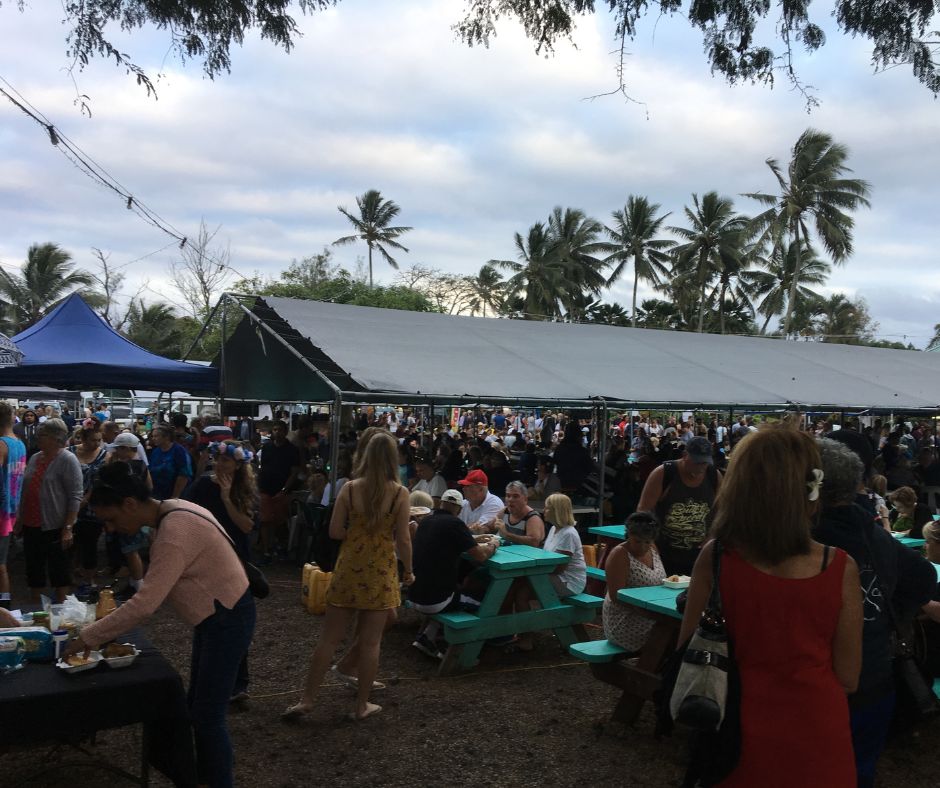
Walking into the Muri Night Markets
Essential Travel Tips (What Most First-Time Visitors Wish They Knew)
There are a few small things that can make a big difference to your experience in Rarotonga.
Most of them are simple, but they’re the kind of details people only really appreciate once they arrive.
Life moves slower than you expect
The biggest adjustment for many visitors is pace. Things don’t run on strict schedules here.
Shops close early, Sundays are quiet, and service is relaxed. Once you stop trying to rush, the island experience becomes much better.
The sun is stronger than it feels
Because of the ocean breeze, it’s easy to underestimate how strong the sun is.
Many visitors get caught out early in their trip.
Sunscreen, hats and shade are essential, even on cloudy days.
Sundays are different
Sundays are still very important culturally. Many businesses close or operate limited hours, and the island becomes noticeably quieter.
It’s a great day for beach time or relaxation, but not for planning activities.
Reef safety matters
The lagoon is beautiful but fragile. Wearing reef shoes, avoiding standing on coral, and being mindful of where you swim all make a difference to both your safety and the environment.
Cash still matters
While many places accept cards, smaller stalls, markets and food vendors often prefer cash. Having a small amount on hand makes things easier.
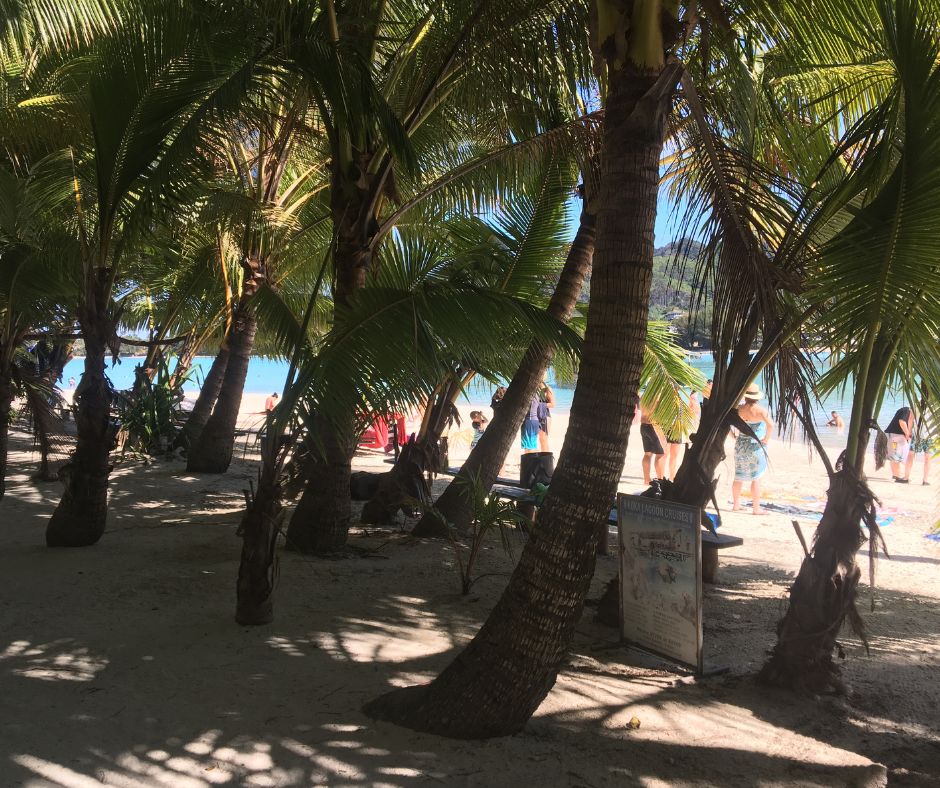
Kokomuri Island, where the after cruise entertainment takes place
Frequently Asked Questions
Is Rarotonga worth visiting?
Yes, and for many travellers it ends up being more memorable than expected.
Rarotonga isn’t about big attractions or busy itineraries.
It’s about the feeling of slowing down in a tropical setting where the lagoon is part of everyday life.
You get a mix of beautiful beaches, easy snorkelling, friendly locals and a relaxed pace that’s hard to find in more commercial destinations.
It’s especially appealing if you’re coming from New Zealand or Australia and want a short-haul island escape that still feels culturally rich and different.
How many days do you need in Rarotonga?
Most people find that five to seven days is the ideal amount of time.
That gives you enough space to settle into the island rhythm without feeling rushed.
In that time you can explore multiple beaches, enjoy snorkelling spots, take a drive around the island, visit the markets and still have downtime to simply relax.
Less than four days tends to feel a bit rushed, especially once you factor in travel time and the slower pace of island life.
What is the best month to visit Rarotonga?
The most popular time to visit is between May and October.
During these months the weather is generally drier, the humidity is lower and conditions are ideal for outdoor activities like snorkelling, hiking and exploring the island.
July and August are the busiest due to school holidays, so while the weather is excellent, it’s also when you’ll see more visitors and higher accommodation prices.
If you prefer a quieter experience, shoulder months like May, June or September often offer a great balance.
Is Rarotonga expensive?
Rarotonga can feel moderately expensive compared to New Zealand, mainly because many products are imported.
Accommodation and dining tend to be the biggest costs, especially in beachfront or resort-style stays.
That said, it’s still possible to manage your budget well by mixing restaurant meals with local food trucks, staying in self-contained accommodation and taking advantage of free activities like beaches and snorkelling.
Once you’re there, many of the best experiences don’t require spending much at all.
Do you need a car in Rarotonga?
You don’t necessarily need a car, but having one does make exploring easier.
The island bus is simple and reliable, and scooters are a popular way to get around for couples or solo travellers.
However, a rental car gives you more comfort, especially for families or if you want flexibility in all weather conditions.
Because the island is small, even without a car you’re never far from anything, but transport does influence how freely you can explore.
Can you swim in Rarotonga beaches?
Yes and this is one of the biggest highlights of visiting.
Many beaches sit along a protected lagoon, meaning the water is calm, shallow and safe for swimming in most conditions.
Areas like Muri, Aroa and Titikaveka are particularly popular because of their clear water and easy beach access.
Conditions can vary slightly with tides and wind, but in general, swimming is one of the most enjoyable and accessible parts of a Rarotonga holiday.
Is Rarotonga good for families?
Absolutely. Rarotonga is one of the easiest Pacific islands for family travel.
The short flight time, calm lagoon waters and relaxed environment make it very manageable with children.
Many beaches are naturally sheltered, and activities like kayaking, snorkelling and beach days don’t require complicated planning.
If you’re travelling with family, it’s also worth checking out dedicated guides like your “13 Best Things To Do in Rarotonga for Families” article, which goes deeper into child-friendly experiences.
What is the food like in Rarotonga?
Food in Rarotonga is fresh, simple and heavily influenced by both Polynesian and international flavours.
Seafood plays a big role, especially dishes like fresh tuna and ika mata, which is raw fish marinated in coconut cream and lime.
You’ll also find plenty of cafés, casual eateries and food trucks offering everything from fish burgers to smoothies.
While imported groceries can be more expensive, local food is often where the best flavour and value is found.
Do you need a visa for Rarotonga?
Most travellers do not need a visa for short stays, but you do need to meet entry requirements such as a valid passport, proof of onward travel and confirmed accommodation.
The length of stay allowed depends on your nationality, so it’s important to check the most up-to-date entry rules before you travel.
For most visitors from New Zealand and many other countries, entry is straightforward.
Is there nightlife in Rarotonga?
Nightlife in Rarotonga is very relaxed compared to larger tourist destinations.
Instead of clubs or late-night venues, you’ll find beachfront bars, cultural shows, live music nights and quiet evenings by the lagoon.
The focus is more on sunset drinks, dinner by the water and early nights rather than a party scene.
It suits travellers who prefer a slower, more laid-back evening atmosphere.
Can you drink the water in Rarotonga?
In many accommodation options, filtered or treated water is provided and considered safe to drink.
However, some travellers still prefer bottled water depending on where they are staying.
It’s always best to check with your accommodation on arrival so you know what’s available.
Bringing a reusable bottle is a good idea, especially since refill stations are common in resorts.
Looking back we wish we had done a little research into Filtered Water Bottles For Travel at the time.
Is Rarotonga safe?
Yes, Rarotonga is widely regarded as a very safe destination for travellers.
Crime rates are low, and most visitors feel comfortable moving around freely during the day and evening.
As with any destination, basic precautions are still sensible, but overall it’s known for being welcoming and relaxed.
What currency is used?
The official currency is the New Zealand Dollar (NZD), which makes things very convenient for Kiwi travellers.
Local Cook Islands coins also exist, but NZD is widely accepted everywhere, including shops, restaurants and accommodation.
Can you visit Aitutaki from Rarotonga?
Yes, and it’s one of the most popular experiences in the Cook Islands.
You can visit Aitutaki as a day trip or choose to stay overnight if time allows.
The lagoon is often described as one of the most beautiful in the world, with incredible shades of blue and tiny uninhabited islands.
While it is more expensive than activities in Rarotonga, many travellers consider it a highlight of their entire trip.
What should I pack for Rarotonga?
Packing for Rarotonga is fairly simple.
Lightweight clothing, swimwear, reef-safe sunscreen and comfortable footwear cover most of what you’ll need.
A light rain jacket can be useful for tropical showers, and reef shoes are recommended for entering the water in coral areas.
Beyond that, the island lifestyle is very casual, so there’s no need to overpack.
Disclosure: This post might contain affiliate links. This means I might receive a small commission if you click and purchase something. Clicking on these links will not cost you anything, however it helps me to keep my website running. For more information click on our disclosure policy.
Meet the family
We are a family of 4 living in New Zealand. I’m a teacher (great profession for traveling) and my wife Connie works in project management. We are also proud parents of two travel-loving boys.
Search
________________________________
Follow Us
________________________________
Subscribe to our Newsletter
________________________________

Recent Posts
________________________________
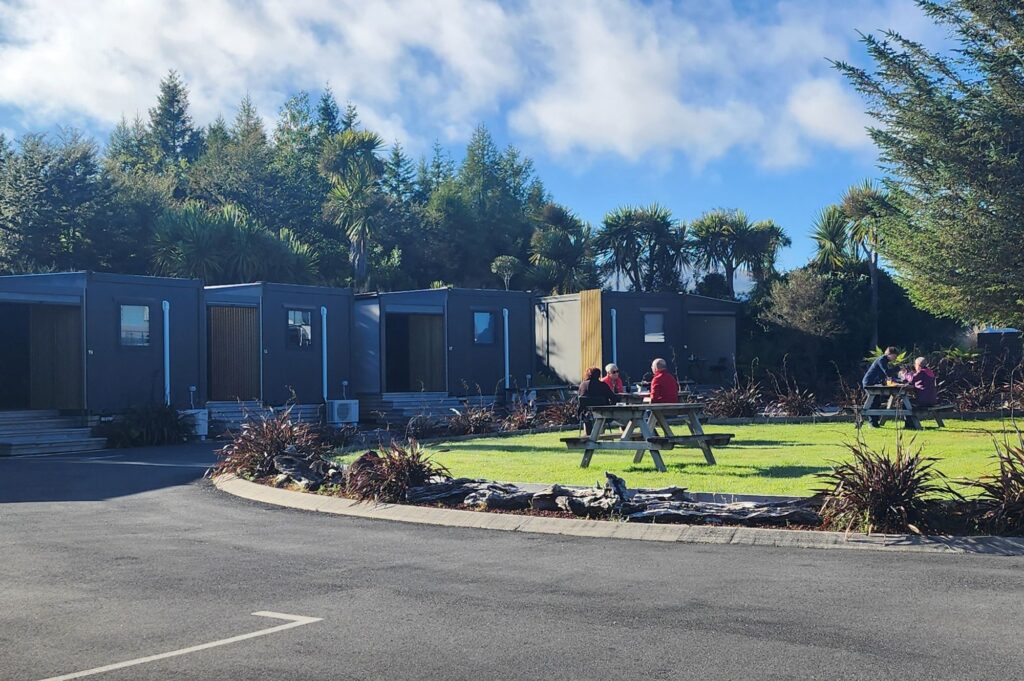


Scott - 4 Degrees of Destination
_______________________________
Hi, I've been fortunate enough to have travelled for over 25 years. My parents gave me the travel bug when I was 10 years old by taking my sister and I to the USA and Mexico for two months. I've travelled by myself, with mates, with my wife and now as a family of four. My goal is to inspire our families to get out and see the world.
